
en
France attracts many buyers every year, whether they are residents, expatriates, cross-border workers or foreign investors. Quality of life, legal stability, architectural heritage, diversity of regions… There are many reasons behind this enthusiasm ! However, one question often arises, particularly among international buyers and non-residents : who can actually buy property in France ? The answer is simpler than you might imagine. French law is particularly open when it comes to property ownership. Here is a clear guide to understanding who can buy, under what conditions, and what you need to consider before getting started.
For a resident of France, buying property involves no particular restrictions. Any adult, or legally represented minor, may become the owner of a property in France, whether it is a main residence, a second home or a rental investment. Professional status, nationality and place of birth are not taken into account, provided that the buyer is legally resident in France. The procedure is supervised by the notary, who secures the transaction, verifies the property title and ensures that the property complies with all legal requirements.
To buy property, a resident of France will mainly need to provide proof of identity, legal capacity and financial means. The purchase can be financed through personal funds, a bank loan or a combination of the two. The rules are clear, stable and designed to protect the buyer.
Contrary to some common misconceptions, buying property in France is entirely possible for a foreigner or non-resident. There is no prohibition based on the buyer’s nationality, country of residence or tax status. An EU national, a non-EU citizen, an expatriate or a cross-border worker may freely purchase property in France. This may be an apartment, a house, a plot of land or a property intended as an investment.
The procedure is very similar to that followed by a resident of France. The main difference may concern financing. French banks can grant mortgages to non-residents under certain conditions, although their assessment criteria are generally stricter and a larger personal contribution is often required. From a legal perspective, the notary plays a central role. The notary verifies the origin of the funds in accordance with anti-money laundering regulations and ensures that the buyer fully understands the documents being signed. Buying property in France therefore remains a secure process, even for a foreign buyer.
Certain situations require particular attention when buying property. This applies especially to cross-border workers employed in Monaco or Italy, expatriates living abroad and investors wishing to purchase through a company :
. Cross-border workers can buy property in France without difficulty, whether they intend to live in it or use it as an investment. Their employment status has no impact on their right to own property. However, the financing arrangements may vary depending on whether their income comes from France or abroad.
. French expatriates also retain the right to buy property in France. They may purchase a second home, prepare for a future return to France or invest in rental property. Once again, the main considerations concern financing and taxation rather than the right to buy itself.
. Finally, buying property through a company, such as a French property-owning company known as an SCI, a foreign company or a holding company, is possible, but requires an appropriate legal structure. The notary and our Édouard VII property advisers can assist the buyer in selecting the solution that is best suited to their property and wealth-management objectives.
One of the main strengths of the French property market is its stability. The legal framework protects both the buyer and the seller, the rules are clear, and the notary’s involvement guarantees the security of the transaction. This reliability reassures international buyers and explains why so many people wish to buy property in France.
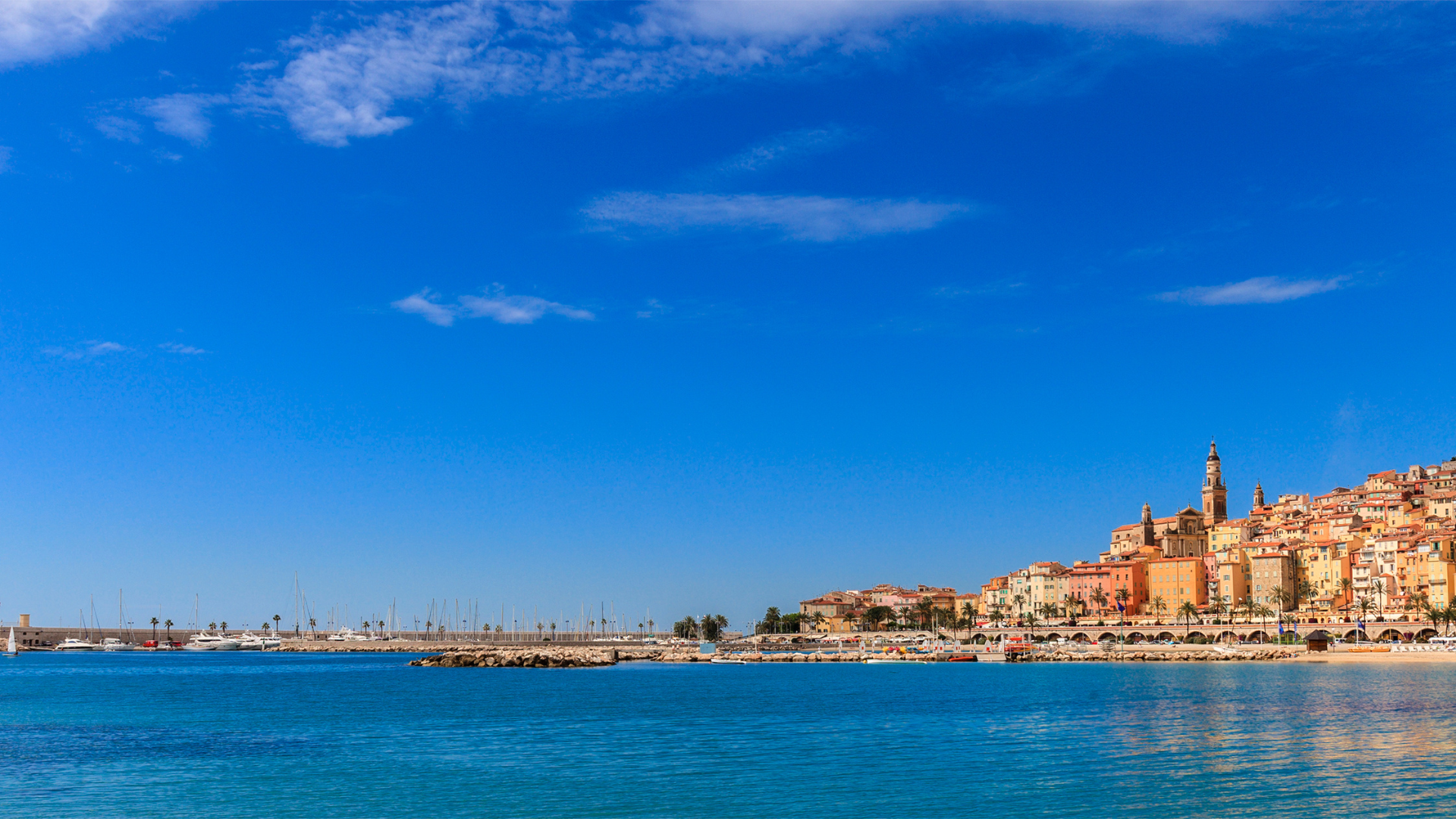
On the French Riviera, in Menton and Roquebrune-Cap-Martin, this appeal is further strengthened by the proximity of Monaco, the Mediterranean quality of life and the long-term value potential of local properties. Residents, non-residents and investors all participate in a dynamic yet well-structured market.
Find plenty of useful property information on our blog every week.
In summary, anyone can buy property in France, whether they are French or foreign, resident or non-resident. Property ownership is widely accessible, and the procedures are regulated to provide the highest possible level of security. The key to a successful purchase lies above all in professional guidance : understanding the local market, anticipating tax and financial considerations, selecting the right property and securing the transaction from a legal perspective. The Édouard VII team will assist you with your property project, providing local expertise and personalised support at every stage.
This site is protected by reCAPTCHA and the Google Privacy Policy and Terms of Service apply.